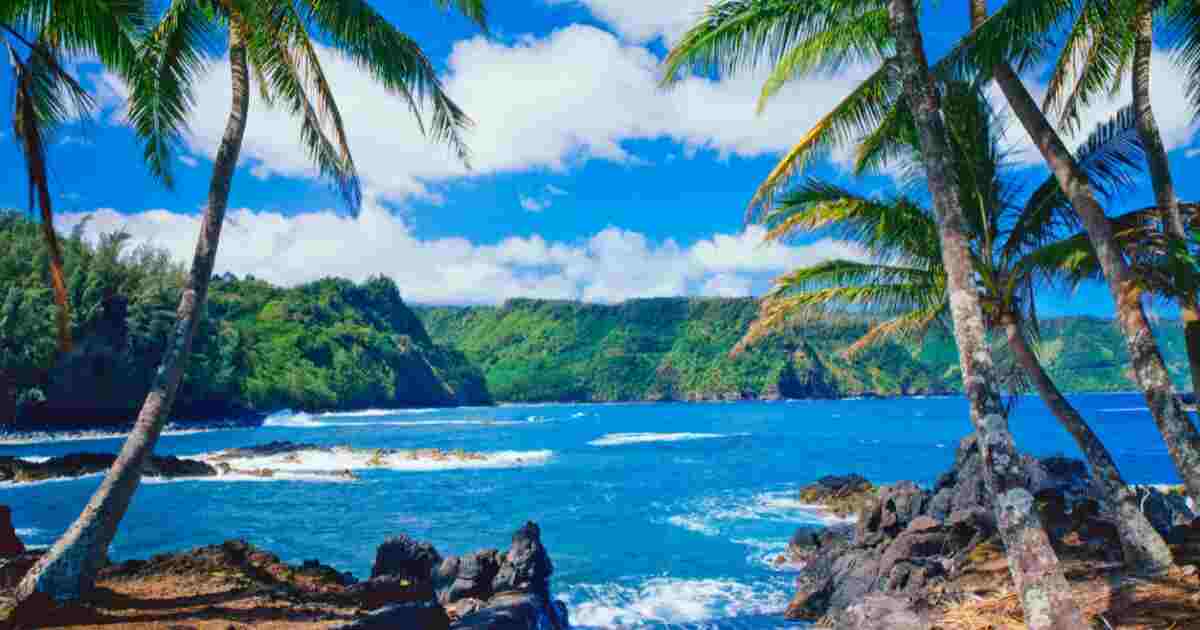
Stand on a beach and pick up a handful of sand. That sand did not start its life on the beach. It began as solid rock somewhere upstream, was broken apart and carried by water, and eventually dropped here when the river or sea lost the energy to carry it any further. That entire journey is the story of erosion and deposition working together, and understanding the difference between erosion and deposition helps you make sense of almost every landscape you will ever see.
Erosion is the process by which rock, soil, and sediment are worn away and transported from one place to another by water, wind, ice, or gravity. Deposition is the process by which that transported material is dropped and laid down in a new location when the transporting agent loses energy. Erosion picks material up and moves it. Deposition puts it down.
Difference Between Erosion and Deposition: Comparison Table
| Feature | Erosion | Deposition |
|---|---|---|
| Definition | Wearing away and transporting material | Dropping and laying down transported material |
| Energy required | High energy needed to erode and transport | Occurs when energy decreases |
| Effect on landscape | Removes material, creates valleys and cliffs | Adds material, creates beaches and floodplains |
| Agents | Water, wind, ice, gravity | Water, wind, ice, gravity losing energy |
| Direction of material | Material moves away from source | Material settles in new location |
| Landforms created | Valleys, gorges, cliffs, caves | Beaches, deltas, floodplains, sand dunes |
| Where it happens | Often in upland or high energy areas | Often in lowland or low energy areas |
What is Erosion?
To understand the difference between erosion and deposition, we first need to look at erosion itself. Erosion is the process by which the Earth’s surface is worn away by natural forces such as water, wind, ice, and gravity. It involves both the breakdown of rock and soil and the transportation of that material to somewhere else. Without erosion, landscapes would not change and every valley, canyon, and sea cliff on Earth exists because of it.
Erosion happens in several different ways depending on the agent involved:
- Hydraulic action – the force of water itself smashing against rock and forcing air into cracks, eventually breaking the rock apart
- Abrasion – rocks and sediment carried by water or wind scraping against surfaces like sandpaper, wearing them down
- Attrition – rocks carried by a river or sea knock against each other, gradually becoming smaller and more rounded
- Solution – slightly acidic water dissolves certain types of rock, particularly limestone
- Wind erosion – wind carries sand particles that blast against rock surfaces, particularly in desert environments
- Glacial erosion – moving ice scrapes and plucks rock from the land surface as glaciers advance
Erosion is most powerful in high energy environments where water moves fast, wind is strong, or glaciers are active. Rivers erode most strongly in their upper courses where gradients are steep. Coastal erosion is most dramatic during storms when waves have enormous energy.
What is Deposition?
The second half of the difference between erosion and deposition is deposition itself. Deposition is the process by which eroded material that has been transported is dropped and laid down in a new location. It happens when the agent carrying the material, whether water, wind, or ice, loses enough energy that it can no longer keep the material moving.
Think of a river carrying sand and pebbles. While the river is flowing fast down a steep hillside, it has enough energy to keep that material suspended and moving. But when the river reaches flatter ground and slows down, or when it meets the sea, its energy drops and it can no longer carry its load. The material settles out of the water and is deposited on the riverbed or at the river mouth.
Deposition builds landforms rather than destroying them. Where erosion carves and removes, deposition fills and builds. The largest particles are deposited first when energy drops, while smaller particles travel further before settling. This is why riverbeds near the source tend to have large boulders while riverbeds near the mouth have fine sand and silt.
Key situations where deposition occurs:
- Where a river slows as it reaches flatter ground
- Where a river meets the sea or a lake
- On the inside of river bends where water flows more slowly
- When wind speed drops in a sheltered area
- Where glaciers melt and lose their transport energy
- In sheltered bays where wave energy is reduced
The Difference Between Erosion and Deposition in Rivers
In rivers, the difference between erosion and deposition comes down to where you are in the river’s course. The upper course is dominated by erosion where gradients are steep and water moves fast. The lower course is dominated by deposition where the river slows and loses energy. In the middle course, both processes happen simultaneously on opposite banks of a meander.
The Difference Between Erosion and Deposition on Coasts
On coastlines, the difference between erosion and deposition is equally clear. Exposed headlands face the full force of wave energy and are dominated by erosion. Sheltered bays receive weaker waves that lose energy and deposit their sediment load, building beaches. The same material eroded from a headland may end up deposited as a beach several kilometres away.
Example 1 – The Grand Canyon (Erosion):
The Grand Canyon in Arizona is one of the most spectacular examples of erosion on Earth. Over millions of years, the Colorado River has cut down through layers of rock to create a canyon up to 1,800 metres deep and 446 kilometres long. The river’s hydraulic action and abrasion have worn away enormous quantities of rock, carrying the sediment downstream. The canyon exists because of sustained erosion over an almost unimaginable timescale.
Example 2 – The Nile Delta (Deposition):
The Nile Delta in Egypt is a classic example of deposition. As the River Nile reaches the Mediterranean Sea, it slows dramatically and loses the energy needed to carry its sediment load. Over thousands of years, the river has deposited millions of tonnes of silt and sand, building up a triangular delta of extremely fertile land. The same process creates deltas wherever large rivers meet the sea.
Example 3 – Coastal cliffs (Erosion):
The white chalk cliffs of Dover on the English coast are being eroded by wave action. Hydraulic action forces water into cracks in the cliff face during storms. Abrasion by pebbles and sand carried in the waves gradually wears away the base of the cliff. Over time, the cliff face collapses and retreats inland. Stretches of the British coastline lose several metres to erosion every year.
Example 4 – Beaches (Deposition):
Beaches are formed by deposition. Waves carry sand and pebbles along the coast through a process called longshore drift, and when wave energy drops in a sheltered bay or where the coastline changes direction, the material is deposited. The sand on a beach was eroded from cliffs, carried by water, and deposited here. Every beach is a deposition landform built from material eroded elsewhere.
Example 5 – River meanders (Both):
A river meander beautifully illustrates the difference between erosion and deposition working simultaneously. On the outer bend of a meander, the water flows faster, creating a river cliff through erosion. On the inner bend, the water flows more slowly and deposits material, building up a gentle slip-off slope. Both processes are happening at the same time in the same stretch of river, just on opposite banks.
Example 6 – Sand dunes (Deposition):
Sand dunes form when wind carrying sand particles loses energy, typically when it meets an obstacle like vegetation or a change in landscape. The sand is deposited and builds up into dunes over time. The Sahara Desert and coastal dune systems around the world are both products of wind deposition. The same wind that erodes rock in one place deposits sand somewhere else.
Energy up, energy down:
Erosion = energy going UP. When water, wind, or ice has high energy it erodes and transports material. Think of a powerful river in full flood tearing at its banks.
Deposition = energy going DOWN. When the same agent loses energy it deposits. Think of that same river slowing to a gentle flow across a flat plain and dropping its load.
Or think of it as a delivery system. Erosion is the pickup. Deposition is the drop-off. The material has to be picked up somewhere before it can be dropped somewhere else. Every deposition landform was built from material eroded from somewhere upstream or upwind.
Quick Quiz: Erosion or Deposition?
1. A river carrying sand and pebbles cuts into the riverbed as it flows quickly downhill. This is:
2. A river slows as it reaches the sea and drops its load of sediment, building up a delta. This is:
3. Waves smashing against a cliff face and breaking off chunks of rock is:
4. Sand being dropped by wind in a sheltered area to form a dune is:
5. On the outside bend of a river meander, the water flows faster and cuts into the bank. This is:
6. The Colorado River cutting the Grand Canyon over millions of years is an example of:
Difference Between Erosion and Deposition in Exams
The difference between erosion and deposition is a core topic in GCSE Geography, tested in both river and coastal landform questions. You need to be able to explain how each process works, describe the conditions that cause each one, name the landforms each process creates, and give specific real world examples. Questions often ask you to explain how a specific landform was created, which requires describing both processes in sequence since most landforms involve erosion somewhere and deposition somewhere else.
Common Mistakes to Avoid
Confusing erosion with weathering:
Weathering is the breakdown of rock in situ, meaning it stays where it is. Erosion involves the removal and transport of material to a new location. Both weaken and break down rock but only erosion moves the material. A rock face crumbling due to freeze-thaw is weathering. The broken fragments being carried away by a river is erosion. Many students use these terms interchangeably in exams and lose marks as a result.
Forgetting that deposition requires a loss of energy:
Deposition does not just happen randomly. It always occurs because the transporting agent has lost energy and can no longer carry its load. In exam answers, always explain why deposition is happening at a particular location by describing what causes the energy to decrease there. Simply stating “deposition occurs here” without explaining why will not score full marks.
Describing erosion landforms as deposition landforms and vice versa:
Cliffs, valleys, gorges, and caves are erosion landforms. Beaches, deltas, floodplains, and sand dunes are deposition landforms. Mixing these up is one of the most common errors in Geography exams. When describing any landform, always state clearly whether it was formed by erosion, deposition, or a combination of both.
Frequently Asked Questions
What is the difference between erosion and deposition in rivers?
In rivers, the difference between erosion and deposition depends on the speed and energy of the water. Fast moving water in the upper course erodes the riverbed and banks. Slow moving water in the lower course deposits its sediment load. In a meander, both happen at the same time on opposite banks.
Can erosion and deposition happen in the same place?
Yes, and this is very common. A river meander is the clearest example, where erosion happens on the outer bend and deposition happens simultaneously on the inner bend. Coastal environments also often show both processes close together, with cliffs being eroded in one location while beaches are being built up nearby from the eroded material. The two processes are complementary parts of the same sediment transport system.
What is the difference between erosion and weathering?
Weathering breaks rock down in place without moving it. Erosion removes and transports the broken material to a new location. They often work together. Weathering weakens rock, making it easier for erosion to remove. Without weathering, erosion would be much slower. Without erosion to remove weathered material, the fresh rock beneath would be protected from further weathering.
What is transportation in the context of rivers?
Transportation is the process between erosion and deposition. It is how eroded material is carried from where it was picked up to where it will eventually be deposited. Rivers transport material in four ways: traction (rolling large boulders along the bed), saltation (bouncing smaller stones), suspension (carrying fine particles within the water), and solution (dissolved minerals carried in the water itself).
Why are beaches found in bays rather than on headlands?
Headlands stick out into the sea and receive the full force of wave energy, so they are dominated by erosion. Bays are sheltered, so waves lose energy as they enter the bay and deposit their sediment load, building up beaches. This is a perfect example of how the difference between erosion and deposition is determined by energy levels. High energy equals erosion. Low energy equals deposition.
For more Geography help on rivers and coasts, visit BBC Bitesize Geography: Rivers.
Understanding erosion and deposition connects naturally to other Geography topics. You might find it useful to read about the difference between weather and climate and the difference between a river and a lake, which both build on the same physical geography foundations.
Once you understand how energy drives both processes, you will find that rivers, coastlines, and landscapes start making much more sense in your Geography lessons.

2 thoughts on “Difference Between Erosion and Deposition: 5 Clear Examples Every Geography Student Must Know”
Comments are closed.