Every time you switch on a light, charge your phone, or travel by car, you are using energy that came from somewhere. Where that energy comes from, and whether the source will eventually run out, is one of the most important questions facing the world right now. The difference between renewable and non-renewable energy is not just a Geography topic. It is at the centre of debates about climate change, energy security, and the kind of world future generations will inherit.
Renewable energy comes from sources that are naturally replenished and will not run out on a human timescale. Solar, wind, hydroelectric, and tidal power are all renewable. Non-renewable energy comes from sources that exist in finite quantities and will eventually be exhausted. Coal, oil, natural gas, and nuclear fuel are all non-renewable. Renewable energy is sustainable. Non-renewable energy is finite.
Difference Between Renewable and Non-Renewable Energy: Comparison Table
| Feature | Renewable Energy | Non-Renewable Energy |
|---|---|---|
| Definition | Energy from sources that are naturally replenished | Energy from sources that exist in finite quantities |
| Will it run out? | No, replenished naturally and continuously | Yes, will eventually be exhausted |
| Carbon emissions | Little or none during operation | Significant CO2 and greenhouse gas emissions |
| Examples | Solar, wind, hydro, tidal, geothermal, biomass | Coal, oil, natural gas, nuclear |
| Cost | High initial setup, low running costs | Lower setup costs, ongoing fuel costs |
| Reliability | Can be intermittent (wind, solar) | Generally consistent and on-demand |
| Environmental impact | Low, minimal pollution during use | High, contributes to air pollution and climate change |
| Current global share | Growing rapidly, around 30% of global electricity | Still dominant, around 70% of global electricity |
What is Renewable Energy?
Renewable energy comes from natural sources that are continuously replenished by the Earth and the sun. No matter how much solar energy we capture or how much wind we harness, the sun will keep shining and the wind will keep blowing. These sources cannot be depleted on any timescale relevant to human civilisation.
Understanding the difference between renewable and non-renewable energy starts with recognising what makes a source renewable in the first place. A renewable energy source is not just clean or low-carbon. It is specifically one that nature replenishes faster than we can use it up.
The main types of renewable energy include:
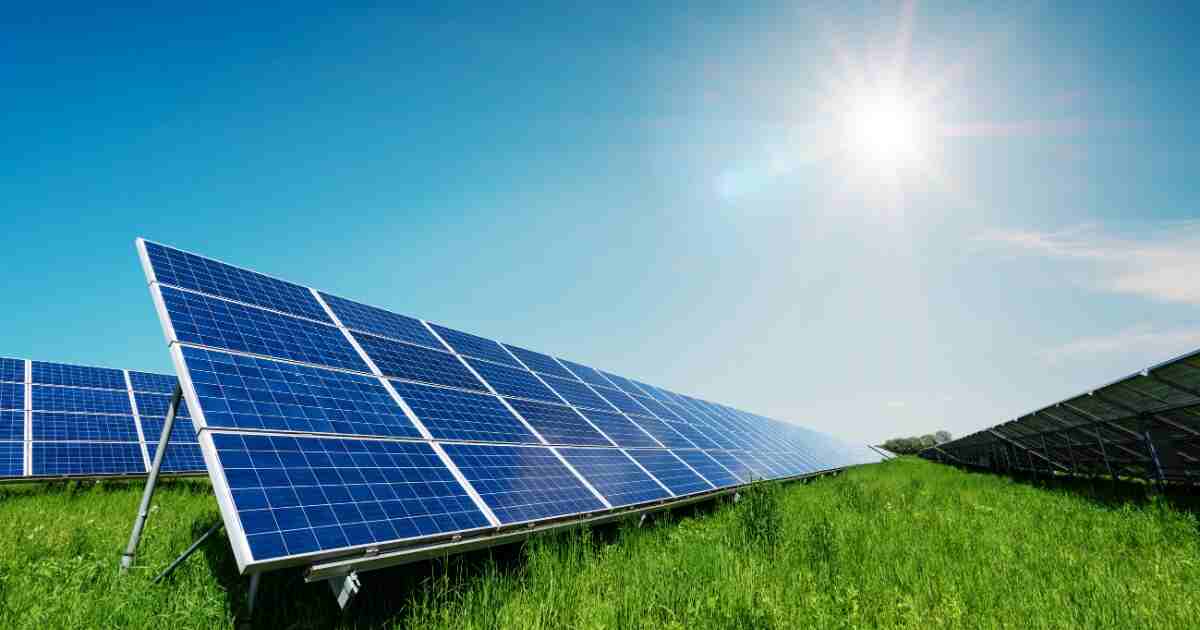
- Solar energy – energy from sunlight captured by photovoltaic panels or solar thermal systems. The sun produces more energy in one hour than humanity uses in a year. Solar is now the cheapest source of electricity ever produced in human history in many parts of the world
- Wind energy – energy from moving air captured by wind turbines on land (onshore) or at sea (offshore). The UK is one of the windiest countries in Europe and generates a significant proportion of its electricity from wind
- Hydroelectric power – energy from flowing water driving turbines, usually in dams on rivers. Hydroelectric power is the largest source of renewable electricity globally, providing around 16% of world electricity
- Tidal and wave energy – energy from the movement of the seas, driven by the gravitational pull of the moon. Still relatively undeveloped but with enormous potential, particularly in countries with long coastlines
- Geothermal energy – energy from heat within the Earth, used directly for heating or to generate electricity. Iceland generates almost all its heating and a large proportion of its electricity from geothermal sources
- Biomass – energy from burning organic material such as wood, crop waste, or specially grown energy crops. Classified as renewable because new plants can be grown to replace those burned, though it does produce CO2 emissions
What is Non-Renewable Energy?
Non-renewable energy comes from sources that took millions of years to form and exist in finite quantities. Once these sources are used up, they cannot be replaced on any human timescale. Most non-renewable energy sources are fossil fuels, formed from the compressed remains of ancient plants and animals over hundreds of millions of years.
This finite nature is the core of the difference between renewable and non-renewable energy. Once a non-renewable source is consumed, it is gone permanently on any human timescale.
The main types of non-renewable energy include:
- Coal – a solid fossil fuel formed from ancient plant material. The most carbon-intensive of the fossil fuels, producing more CO2 per unit of energy than oil or gas. Coal powered the Industrial Revolution and still generates around 35% of global electricity, though its use is declining in many countries
- Oil (petroleum) – a liquid fossil fuel used primarily for transport fuels (petrol, diesel, aviation fuel) and as a raw material for plastics and chemicals. Oil powers the vast majority of the world’s vehicles and is the most traded commodity on Earth
- Natural gas – a gaseous fossil fuel used for heating, cooking, and electricity generation. It produces less CO2 than coal or oil, which is why it is sometimes described as a “transition fuel” as countries move away from coal
- Nuclear energy – energy released from the splitting of uranium atoms (fission). Nuclear fuel is finite and non-renewable, but nuclear power produces very low carbon emissions during operation. Whether nuclear should be classified alongside fossil fuels is debated, but it shares the characteristic of using a finite fuel source
Example 1 – The United Kingdom:
The UK has made significant progress in renewable energy, particularly wind power. In 2023, wind energy provided around 30% of UK electricity, with offshore wind farms in the North Sea playing a major role. The UK also generates electricity from nuclear, gas, and a small amount of coal. The country has committed to phasing out coal power entirely and reaching net zero carbon emissions by 2050, making the transition from non-renewable to renewable energy one of its biggest policy challenges.
Example 2 – Iceland (almost entirely renewable):
Iceland is one of the world’s most striking examples of renewable energy use. Its position on the Mid-Atlantic Ridge gives it abundant geothermal energy, which provides around 65% of its primary energy. Hydroelectric power provides most of the rest. Iceland heats virtually all its homes using geothermal hot water pumped directly from the ground. The country’s unique geology makes it a world leader in renewable energy almost by accident of location.
Example 3 – Saudi Arabia (non-renewable dependent):
Saudi Arabia holds around 17% of the world’s proven oil reserves and has built its entire economy around oil and natural gas extraction and export. Non-renewable fossil fuels account for virtually all of the country’s energy production and government revenue. Saudi Arabia is now investing heavily in solar energy, recognising that oil reserves will eventually be exhausted and that diversifying its energy sources is essential for long-term economic stability.
Example 4 – China (both at scale):
China presents a fascinating picture of both energy types operating simultaneously at enormous scale. It is the world’s largest producer and consumer of coal, which still powers much of its industry and electricity grid. At the same time, China is also the world’s largest investor in renewable energy, installing more solar panels and wind turbines than any other country. China’s energy transition is the most consequential in the world given the scale of its economy and emissions.
Example 5 – A typical UK household:
A typical UK home uses energy from multiple sources without most residents realising it. The electricity grid draws from a mix of wind, solar, nuclear, gas, and increasingly imported power. The gas used for central heating and cooking is a non-renewable fossil fuel. An electric car charged at home uses whatever mix of renewable and non-renewable sources the grid currently contains. The energy mix reaching any one home changes hour by hour depending on weather conditions and demand.
Example 6 – Solar farms vs coal mines:
A solar farm built in a sunny location requires significant upfront investment but then produces electricity for 25 to 30 years with virtually no fuel costs and zero emissions during operation. A coal mine requires ongoing extraction, transport, and combustion of fuel, producing CO2 at every stage. Once the coal seam is exhausted, the mine closes. The solar farm continues producing. This comparison illustrates the fundamental economic and environmental difference between the two energy types over a long timeframe.
Re-fill and Finite:
Renewable = Refilled. Nature keeps refilling the source. The sun rises again tomorrow. The wind blows again next week. The rain falls and refills the reservoir. Renewable sources are always being topped up.
Non-renewable = None left eventually. Once you burn the coal, it is gone. Once you pump the oil, that particular deposit is exhausted. Non-renewable sources have a final amount that cannot be replaced.
A useful visual: think of renewable energy as a tap connected to a water main that never runs dry. Think of non-renewable energy as a bucket. The bucket holds a lot, but once it is empty, that is it.
Quick Quiz: Renewable or Non-Renewable?
1. Energy generated by wind turbines is:
2. Coal burned in a power station is:
3. Solar panels on a roof generate electricity from:
4. Natural gas used for home heating is:
5. Which of these is a renewable energy source?
6. Iceland generates most of its energy from geothermal and hydroelectric sources. Iceland’s energy mix is primarily:
Advantages and Disadvantages of Each
Advantages of renewable energy:
- Will never run out, providing long-term energy security
- Produces little or no greenhouse gas emissions during operation
- Reduces dependence on imported fossil fuels
- Running costs are low once infrastructure is built
- Creates jobs in manufacturing, installation, and maintenance
Disadvantages of renewable energy:
- Many sources are intermittent — solar does not work at night, wind does not work in calm weather
- High upfront capital costs for infrastructure
- Some sources require specific geography (geothermal needs volcanic activity, hydro needs rivers)
- Large land areas sometimes required (solar farms, wind farms)
- Energy storage (batteries) remains expensive and limited
Advantages of non-renewable energy:
- Reliable and consistent supply, not dependent on weather
- Existing infrastructure is already built across most countries
- Energy dense, meaning a small amount produces a lot of power
- Lower upfront costs in many cases
Disadvantages of non-renewable energy:
- Will eventually run out, creating long-term energy insecurity
- Burning fossil fuels releases CO2, driving climate change
- Causes air, water, and land pollution
- Price is subject to global market volatility
- Political instability in oil and gas producing regions affects supply
Difference Between Renewable and Non-Renewable Energy in Exams
The difference between renewable and non-renewable energy is tested in both GCSE Geography and Combined Science. Questions typically ask you to define each type, give examples, describe the advantages and disadvantages of each, explain why countries are transitioning to renewable energy, and evaluate specific energy sources in given contexts. Always support your answers with named real-world examples. Referring to specific countries, projects, or energy sources will always strengthen your exam responses.
Common Mistakes to Avoid
Thinking nuclear power is renewable:
Nuclear power produces very low carbon emissions during operation, which leads some students to classify it as renewable. It is not. Nuclear fuel (uranium) is a finite resource that will eventually be exhausted. Nuclear is low-carbon but non-renewable. The two are not the same thing.
Saying renewable energy produces no pollution at all:
Renewable energy produces very little pollution during operation, but manufacturing solar panels, wind turbines, and batteries requires energy and raw materials, some of which involve pollution. Biomass burning produces CO2. Be precise in exam answers: say renewable energy produces “little or no emissions during operation” rather than claiming it is completely pollution-free.
Ignoring the intermittency problem:
A common mistake in evaluation questions is listing only advantages for renewable energy and only disadvantages for non-renewable. Examiners want balanced analysis. Renewable energy’s intermittency is a genuine disadvantage that needs to be acknowledged. Always present both sides when asked to evaluate or assess.
Frequently Asked Questions
Is nuclear energy renewable or non-renewable?
Nuclear energy is non-renewable. While nuclear power plants produce very low carbon emissions during operation, they use uranium as fuel, which is a finite resource extracted from the ground in limited quantities. Once the uranium is used, it cannot be replenished. Some scientists argue that advanced nuclear technologies like fusion or thorium reactors could eventually change this calculation, but with current technology, nuclear is classified as non-renewable.
Why are fossil fuels still used if they cause climate change?
Fossil fuels still dominate global energy for several reasons. They are energy dense, meaning they store a lot of energy in a small volume. The infrastructure to extract, transport, and use them has been built up over more than a century at enormous cost. Many economies and jobs depend on them. Renewable alternatives, while growing rapidly, cannot yet reliably replace fossil fuels for all uses, particularly in heavy industry, aviation, and shipping. The transition is happening but it takes time and enormous investment.
What is the most widely used renewable energy source?
Globally, hydroelectric power is the most widely used renewable energy source, providing around 16% of world electricity. However, solar and wind are growing much faster and in many countries have overtaken hydro in new capacity installed each year. In the UK, wind is the largest renewable source. In countries with suitable geography like Norway and Brazil, hydro dominates. The most important renewable source varies significantly by country.
How long will fossil fuels last?
Estimates vary depending on consumption rates and new discoveries, but current projections suggest oil reserves could last around 50 years at current consumption rates, natural gas around 50 to 60 years, and coal significantly longer at 100 to 150 years. However, if the world is to limit climate change to manageable levels, much of the known fossil fuel reserves will need to remain in the ground unburned. The question may not be when they run out but when we choose to stop using them.
For more on energy and climate change, visit National Geographic: Renewable Energy.
This topic connects closely to other Geography posts on this site. Reading about the difference between weather and climate will give you important context for understanding why the shift from non-renewable to renewable energy matters so much for the planet’s future.
The difference between renewable and non-renewable energy is ultimately a question of time. Renewable sources work with natural cycles that will continue for billions of years. Non-renewable sources draw down a finite stock that took hundreds of millions of years to accumulate. Understanding the difference between renewable and non-renewable energy is understanding one of the most important choices humanity faces in the coming decades. The decisions being made right now about energy sources will shape the world your generation inherits.
Every time you read about climate change, energy bills, or government policy in the news, the difference between renewable and non-renewable energy is somewhere in the story. The shift away from non-renewable energy towards renewable energy is the defining environmental challenge of this century. The stronger your understanding of the difference between renewable and non-renewable energy, the more clearly you will understand why governments, businesses, and individuals are making the choices they are making right now. The difference between renewable and non-renewable energy is not just something to learn for an exam. It is something that will shape your entire lifetime.
