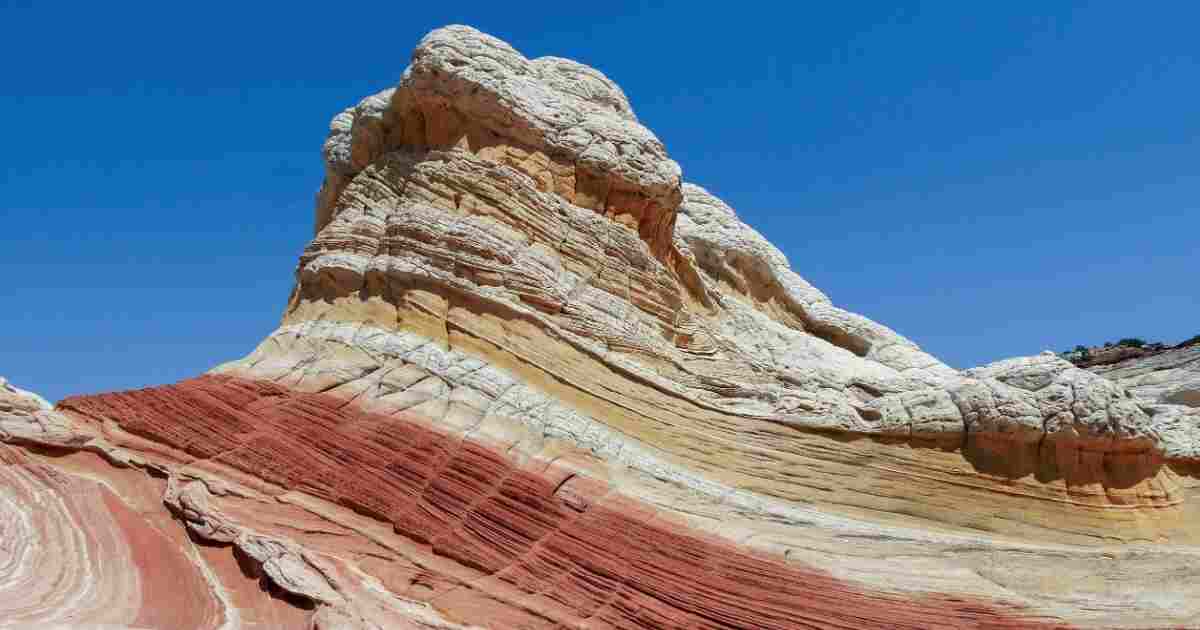
Pick up any rock and you are holding a piece of Earth’s history. But not all rocks have the same story. Some formed deep underground in cooling magma. Some built up layer by layer at the bottom of ancient seas. Others were changed beyond recognition by enormous heat and pressure. Knowing which type of rock you are looking at and how it formed is one of the most satisfying moments in Geography or Science, and the difference between igneous, sedimentary and metamorphic rocks is exactly what this guide explains.
Igneous rocks form when magma or lava cools and solidifies. Sedimentary rocks form when layers of sediment are compressed and cemented together over time. Metamorphic rocks form when existing rocks are changed by extreme heat and pressure without melting. Igneous rocks cool from liquid. Sedimentary rocks build up in layers. Metamorphic rocks are transformed by heat and pressure.
Difference Between Igneous, Sedimentary and Metamorphic Rocks: Comparison Table
| Feature | Igneous | Sedimentary | Metamorphic |
|---|---|---|---|
| How they form | Cooling of magma or lava | Compression of sediment layers | Heat and pressure on existing rocks |
| Where they form | Underground or at surface after eruption | At the bottom of seas, lakes, and rivers | Deep underground where heat and pressure are extreme |
| Texture | Crystalline, often glassy or coarse | Layered, often contains fossils | Banded, foliated, or crystalline |
| Fossils? | No, heat destroys organic material | Yes, the only rock type containing fossils | Rarely, fossils are usually destroyed by heat |
| Examples | Granite, basalt, obsidian, pumice | Sandstone, limestone, chalk, shale | Marble, slate, quartzite, schist |
| Common uses | Construction, kitchen worktops, road surfaces | Building stone, cement, chalk, fossil fuel source | Roofing (slate), sculpture (marble), flooring |
| Crystal size | Large crystals if slow cooling, small if fast | Grains rather than crystals | Often recrystallised into new minerals |
What are Igneous Rocks?
Igneous rocks form when molten rock cools and solidifies. The word igneous comes from the Latin “ignis” meaning fire, which tells you everything about how these rocks are born. Deep inside the Earth, rock exists as magma, a superheated liquid that moves through the mantle and sometimes forces its way upwards through the crust.
When magma reaches the surface through a volcanic eruption, it is called lava. Whether it cools underground or on the surface makes a significant difference to the final rock:
- Intrusive igneous rocks cool slowly underground, giving crystals time to grow large. Granite is the most common example. Its large visible crystals of quartz, feldspar, and mica formed over thousands of years of slow cooling deep beneath the surface
- Extrusive igneous rocks cool quickly at the surface, producing small crystals or a glassy texture. Basalt is the most common example, forming the dark rock you see in places like Iceland and Hawaii. Obsidian cools so quickly it has no crystals at all and looks like black glass
- Pumice forms when lava cools rapidly while still full of gas bubbles, producing a rock so full of air pockets that it can float on water
What are Sedimentary Rocks?
Sedimentary rocks form at the surface of the Earth over very long periods of time. Weathering and erosion break existing rocks down into small fragments called sediment. Rain, rivers, and wind carry that sediment and deposit it in layers at the bottom of seas, lakes, and rivers. Over millions of years, the weight of new layers compresses the sediment below, and minerals dissolved in water cement the particles together into solid rock.
Sedimentary rocks are the only rock type that can contain fossils. When an organism dies and is buried by sediment quickly enough to avoid decomposition, its remains can be preserved in the rock as it forms. This is why sedimentary rocks are so valuable to palaeontologists and why the fossil record of life on Earth is entirely contained within sedimentary sequences.
The main types of sedimentary rock include:
- Sandstone – formed from compressed sand grains, often showing visible layering and a sandy texture
- Limestone – formed mainly from the shells and skeletons of marine organisms, often containing visible fossils
- Chalk – a soft white limestone formed from the remains of microscopic marine organisms called coccoliths
- Shale – formed from compressed clay and mud, splitting easily into thin layers
- Coal – formed from compressed plant material over millions of years, technically a sedimentary rock and the basis of fossil fuels
What are Metamorphic Rocks?
Metamorphic rocks form when existing rocks, whether igneous, sedimentary, or even other metamorphic rocks, are subjected to extreme heat and pressure deep underground. The original rock does not melt. Instead, the minerals within it recrystallise and rearrange into new structures, fundamentally changing the rock’s appearance and properties.
The word metamorphic comes from the Greek for “change of form,” which perfectly describes the process. Limestone, for example, is a sedimentary rock. When subjected to intense heat and pressure near a magma chamber or in a mountain-building zone, its calcite crystals recrystallise into a denser, more interlocking structure, producing marble. The original rock has been transformed into something completely different without ever melting.
Common metamorphic rocks and their origins:
- Marble – formed from limestone or chalk under heat and pressure. Used in sculpture and flooring throughout history
- Slate – formed from shale under moderate heat and pressure. Splits into flat sheets, making it ideal for roofing
- Quartzite – formed from sandstone under heat and pressure. Extremely hard and resistant to weathering
- Schist – formed at higher temperatures and pressures than slate, showing visible glittering mica crystals
Example 1 – The Giant’s Causeway (Igneous):
The Giant’s Causeway on the north coast of Northern Ireland consists of around 40,000 interlocking basalt columns formed around 60 million years ago when lava from a volcanic eruption cooled rapidly. As the lava contracted while cooling, it cracked into the distinctive hexagonal columns that make the site one of the most recognisable geological features in the world. This is extrusive igneous rock formation at its most dramatic.
Example 2 – The White Cliffs of Dover (Sedimentary):
The famous white cliffs are made of chalk, a sedimentary rock formed between 65 and 100 million years ago when the area that is now southern England lay beneath a warm tropical sea. The shells and skeletons of microscopic marine organisms accumulated on the seabed over millions of years, eventually compressed into the brilliant white rock that now forms the cliffs. Fossils of sea creatures can be found throughout the chalk.
Example 3 – Granite kitchen worktops (Igneous):
The granite used in kitchen worktops is an intrusive igneous rock that cooled slowly deep underground, giving its minerals time to form the large interlocking crystals clearly visible in the polished surface. Each worktop is effectively a slice through rock that formed millions of years ago miles below the surface. The slow cooling that produces granite’s strength and beauty is what makes it so valued for construction and decoration.
Example 4 – Michelangelo’s sculptures (Metamorphic):
Michelangelo’s David, Pieta, and many other famous sculptures were carved from Carrara marble, a metamorphic rock from quarries in Tuscany, Italy. That marble began as limestone laid down in ancient seas, then was transformed by the heat and pressure of mountain-building processes into the dense, uniform white stone that sculptors have prized for centuries. Without metamorphism, there would be no marble and the history of sculpture would look very different.
Example 5 – Welsh slate rooftops (Metamorphic):
Much of traditional Welsh architecture uses slate for roofing. Welsh slate formed when ancient mud and clay sediments were compressed under moderate heat and pressure during mountain building hundreds of millions of years ago. The pressure aligned the minerals in flat sheets, giving slate its characteristic ability to be split into thin flat pieces. Slate roofs are extremely durable and many centuries-old Welsh buildings still have their original slate roofs intact.
Example 6 – The Rock Cycle:
All three rock types are connected through the rock cycle. Igneous rocks can be weathered into sediment that forms sedimentary rocks. Sedimentary or igneous rocks can be buried and metamorphosed. Metamorphic rocks can be melted back into magma that eventually cools as igneous rock again. The same material cycles through all three rock types over millions of years. No rock is truly permanent. It is all just matter moving through different forms over geological time.
Fire, Layers, Change:
Igneous = Igni = fire. These rocks come from fire, from the molten heat deep inside the Earth. If you remember that igneous contains “igni” (fire), you will always know these formed from magma or lava.
Sedimentary = Settle. Sediment settles at the bottom of water and builds up in layers. Think of sedimentary rocks as the settled, layered rocks, the ones most likely to contain fossils of ancient life.
Metamorphic = Morph = change. Metamorphic rocks are the changed rocks, existing rocks that have been transformed by heat and pressure into something new. Like a caterpillar changing into a butterfly, the material is the same but completely transformed.
Quick Quiz: Which Rock Type?
1. A rock formed from cooling lava after a volcanic eruption is:
2. A rock containing fossils of ancient sea creatures is most likely:
3. Marble forms when limestone is subjected to extreme heat and pressure. Marble is:
4. Granite has large visible crystals because:
5. Which rock type is formed by the compression and cementation of sediment layers?
6. Slate is used for roofing because it splits into flat sheets. Slate is a:
The Rock Cycle
Understanding the three rock types is much easier when you understand how they connect through the rock cycle. No rock type is permanent. Over geological time, rocks move continuously between all three categories.
Igneous rocks at the surface are weathered and eroded into sediment, which is transported and deposited, eventually becoming sedimentary rock. Sedimentary or igneous rocks that are buried deep enough are subjected to heat and pressure, becoming metamorphic rocks. If metamorphic rocks are buried even deeper and reach temperatures high enough to melt, they become magma, which eventually cools and solidifies as igneous rock again, completing the cycle.
The rock cycle operates over millions and billions of years. The rocks under your feet have almost certainly cycled through all three types multiple times since the Earth formed 4.5 billion years ago.
The rock cycle is also the best way to remember the difference between igneous sedimentary and metamorphic rocks as a connected system rather than three separate topics. Once you see how each type feeds into the next, the difference between igneous sedimentary and metamorphic rocks becomes a story rather than a list of definitions to memorise.
Difference Between Igneous, Sedimentary and Metamorphic Rocks in Exams
The difference between igneous, sedimentary and metamorphic rocks is a core topic in GCSE Geography and Combined Science. Exam questions typically ask you to describe how each rock type forms, explain what features allow you to identify each type, give named examples of each, and explain the rock cycle. Questions about fossils almost always involve sedimentary rocks. Questions about crystal size almost always involve igneous rocks. Questions about heat and pressure almost always involve metamorphic rocks.
Common Mistakes to Avoid
Thinking metamorphic rocks melted to form:
Metamorphic rocks form without the rock melting. The heat and pressure cause minerals to recrystallise in solid state. If the rock melted, it would become magma and eventually form igneous rock when it cooled. The distinction between metamorphism (solid state change) and melting (becoming magma) is important and frequently tested.
Saying all igneous rocks have large crystals:
Crystal size in igneous rocks depends on cooling rate. Slow cooling underground produces large crystals (granite). Fast cooling at the surface produces small crystals (basalt) or no crystals at all (obsidian). Always link crystal size to cooling rate in exam answers.
Forgetting that fossils only form in sedimentary rocks:
This is one of the most tested facts in this topic. Igneous rocks form at temperatures that destroy organic material. Metamorphic processes also destroy fossils. Only sedimentary rocks preserve them. If an exam question mentions fossils, the answer almost certainly involves sedimentary rocks.
Frequently Asked Questions
Can you find fossils in igneous or metamorphic rocks?
Extremely rarely in metamorphic rocks and essentially never in igneous rocks. The high temperatures involved in forming both rock types destroy organic material. Occasionally, very low-grade metamorphic rocks formed at relatively low temperatures preserve faint traces of fossils, but they are typically distorted beyond recognition. For fossil hunting, sedimentary rocks are always the target.
How long does it take for rocks to form?
It varies enormously depending on the rock type and conditions. Extrusive igneous rocks can form within hours or days as lava cools. Intrusive igneous rocks may take thousands to millions of years to cool underground. Sedimentary rocks typically take millions of years to accumulate and lithify. Metamorphic rocks form over millions of years under sustained heat and pressure. On human timescales, all rock formation is essentially imperceptibly slow.
What is the difference between magma and lava?
Magma and lava are the same molten rock material at different locations. When molten rock is underground, it is called magma. When it reaches the surface through a volcanic eruption and flows out, it is called lava. Once lava cools and solidifies at the surface, it becomes extrusive igneous rock. The distinction between magma and lava is purely about location, not composition.
Why is coal classified as a sedimentary rock?
Coal forms from the compressed remains of ancient plant material, mainly from vast forests that existed during the Carboniferous period around 300 million years ago. Over millions of years, layers of dead plant material were buried, compressed, and gradually transformed into coal. Because it forms through the compression and lithification of organic material in layers, it is classified as a sedimentary rock, specifically an organic sedimentary rock.
For more on rocks and the rock cycle, visit BBC Bitesize Geography: Rocks.
Rocks and landscapes connect naturally to other Geography topics on this site. Reading about the difference between erosion and deposition will give you a deeper understanding of how sedimentary rocks form and how landscapes are shaped by the same processes that create and destroy rock over geological time. The guide on the difference between weathering and erosion is also directly relevant since weathering is what breaks igneous and metamorphic rocks down into the sediment that eventually forms sedimentary rocks.
The difference between igneous, sedimentary and metamorphic rocks is really the story of how the same material cycles endlessly through the Earth in different forms. Fire creates igneous rocks. Time and water build sedimentary rocks. Heat and pressure transform metamorphic rocks. Understanding the difference between igneous, sedimentary and metamorphic rocks means understanding that the ground beneath your feet is not static. It is part of a slow, continuous process of creation and transformation that has been running for 4.5 billion years.
Every landscape you will ever study in Geography connects back to the difference between igneous, sedimentary and metamorphic rocks in some way. Coastal cliffs, mountain ranges, volcanic islands, river valleys — all of them are shaped by rock types and the processes that form and erode them. The more clearly you understand the difference between igneous, sedimentary and metamorphic rocks, the more sense the physical world around you will make. Keep the fire, layers, change memory trick in mind and the difference between igneous, sedimentary and metamorphic rocks will stay with you long after the exam is over.

1 thought on “Difference Between Igneous, Sedimentary and Metamorphic Rocks: 3 Essential Types Every Student Must Master”
Comments are closed.