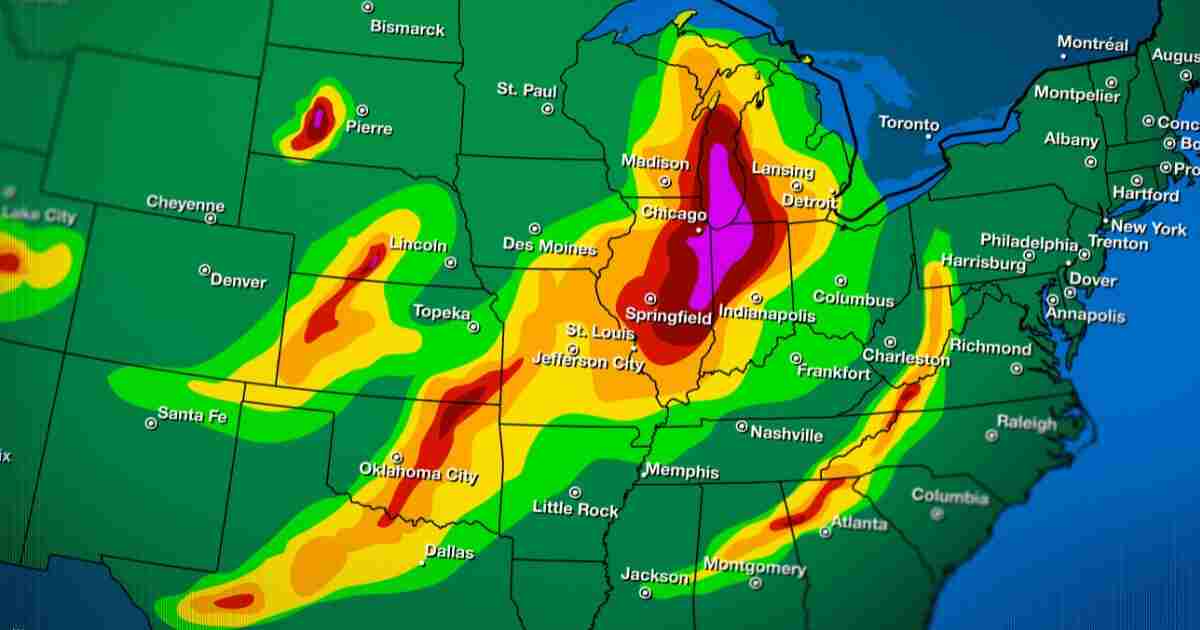
Weather and climate get mixed up constantly, even by adults who should know better. You hear it all the time: “So much for global warming, it is freezing outside!” That comment confuses weather with climate. Knowing the difference between weather and climate is not just useful for Geography exams. It helps you understand news about the environment, make sense of seasons, and spot when people are making arguments that do not hold up. This guide explains it all clearly.
Weather is what is happening in the atmosphere right now or over the next few days. It changes constantly. Climate is the pattern of weather conditions in a place over a long period of time, usually 30 years or more. Weather is what you wear today. Climate is what clothes you keep in your wardrobe.
Difference Between Weather and Climate: Comparison Table
| Feature | Weather | Climate |
|---|---|---|
| Definition | Atmospheric conditions at a specific time | Average weather patterns over 30+ years |
| Time scale | Hours, days, weeks | Decades, centuries |
| Changes | Changes rapidly and unpredictably | Changes very slowly over long periods |
| Examples | Rain, sunshine, snow, wind, fog | Tropical, desert, polar, temperate |
| Can be predicted? | Short-term forecasts up to about 10 days | Long-term patterns can be projected |
| Measured by | Meteorologists using weather stations | Climatologists using long-term data |
| Affects daily life? | Yes, directly every day | Indirectly, through agriculture, housing, clothing |
What is Weather?
Weather is the state of the atmosphere at a particular place and time. It includes temperature, rainfall, wind speed, cloud cover, humidity, and air pressure. Weather changes constantly. A morning can start cold and foggy and end warm and sunny. A week that begins with snow can finish with blue skies.
Weather is what the forecast on your phone is telling you. It is why you grab an umbrella before leaving the house or put on a coat that turns out to be unnecessary by lunchtime. It operates on a short timescale, from minutes to a few weeks at most.
Some key elements of weather include:
- Temperature – how hot or cold the air is
- Precipitation – rain, snow, sleet, or hail falling from the sky
- Wind – the speed and direction air is moving
- Humidity – how much moisture is in the air
- Cloud cover – how much of the sky is covered by clouds
- Air pressure – the weight of the atmosphere pressing down, which affects weather systems
What is Climate?
Climate is the average pattern of weather conditions in a region over a long period of time. When scientists talk about climate, they typically look at at least 30 years of data. Climate tells you what kind of weather to generally expect in a place, not what will happen on any specific day.
The UK has a temperate maritime climate. That means mild temperatures, frequent rainfall spread throughout the year, and no extreme heat or cold. The Sahara Desert has an arid climate. Hot days, very cold nights, and almost no rainfall at all. These descriptions do not tell you what the weather is doing right now in those places. They tell you what conditions are normal there over time.
Climate is shaped by several factors:
- Latitude – how far north or south of the equator a place is
- Altitude – how high above sea level a place sits
- Distance from the sea – coastal areas tend to have milder, wetter climates
- Ocean currents – warm or cold currents affect nearby land temperatures significantly
- Prevailing winds – the direction winds usually come from affects rainfall and temperature
Example 1 – The classic confusion:
Someone says “It snowed today, so climate change cannot be real.” This confuses weather with climate. One cold day is weather. The global average temperature rising over decades is climate. You cannot use a single day’s weather to argue against long-term climate patterns.
Example 2 – Planning a holiday:
You check the weather forecast before travelling to decide what to pack for the next week. That is weather. But you chose Spain for your summer holiday because you know it has a warm, dry climate in July and August. That is climate informing a long-term decision.
Example 3 – Farming:
A farmer checks the weather forecast to decide whether to harvest this week. That is weather. The same farmer grows wheat rather than rice because the regional climate has the right conditions for it over the growing season. That is climate.
Example 4 – UK vs Sahara Desert:
On a particular Tuesday in July, London might be hotter than Cairo. That is weather, and it happens occasionally. But London’s climate is cool and rainy while Cairo’s is hot and dry. The climate tells you what is normal. The weather tells you what is happening right now.
Example 5 – Climate zones:
When geographers divide the world into tropical, arid, temperate, and polar zones, they are describing climate. When a news reporter says a storm is hitting Florida right now, they are describing weather. Both are useful but they work on completely different time scales.
The wardrobe trick:
Weather is what you wear today. You check the forecast and decide on a jacket or a t-shirt.
Climate is what clothes you keep in your wardrobe. If you live in Iceland, you own warm coats. If you live in Dubai, you own light clothes. Your wardrobe reflects the climate of where you live.
Another way to remember: Climate = Clock (it works over a long, long time). Weather = What is happening right now. Climate takes decades. Weather takes minutes.
Quick Quiz: Weather or Climate?
1. It is raining heavily in London this afternoon. This is an example of:
2. The Amazon rainforest receives over 2,000mm of rainfall every year. This describes:
3. A farmer checks a 5-day forecast before deciding when to plant crops this week. They are checking:
4. Scientists study 50 years of temperature records to understand how global temperatures are changing. They are studying:
5. Dubai is known for being hot and dry throughout the year. This describes Dubai’s:
Difference Between Weather and Climate Change
This is worth understanding because it comes up a lot in the news and in exams. Climate change refers to long-term shifts in global climate patterns, particularly the rise in average temperatures caused by increasing greenhouse gases in the atmosphere.
When people say “the weather is strange lately”, they might mean individual storms or unusually warm winters. That is still weather. Climate change is the broader pattern behind it. More frequent extreme weather events, rising sea levels, melting ice caps, shifting rainfall patterns across regions. These are changes to climate, not just day-to-day weather.
Understanding the difference between weather and climate is essential for understanding climate change properly. You cannot look at one cold winter and say climate change has stopped. Climate is measured over decades, not days.
Common Mistakes to Avoid
Using a single weather event to argue about climate:
One hot summer does not prove climate change. One cold snap does not disprove it. Climate is about patterns over 30 or more years. Individual weather events, however extreme, are just weather.
Thinking climate never changes:
Climate does change, but very slowly under natural conditions. What makes the current situation unusual is the speed of change, which scientists link to human activity. Do not confuse “climate is long-term” with “climate never changes.”
Describing a climate zone using weather language:
In an exam, avoid writing “the climate in the Sahara is hot today.” Climate is not described in the present tense like that. Write “the Sahara has an arid climate with high temperatures and very low annual rainfall.”
Frequently Asked Questions
How long does climate data need to cover to count as climate?
The World Meteorological Organisation uses 30 years as the standard period for calculating climate normals. This means average temperatures, rainfall, and other conditions are calculated from at least 30 years of recorded data before they describe a climate rather than a weather pattern.
Can weather affect climate?
Not directly. Individual weather events do not change climate. But climate does influence weather patterns. A warming climate makes heatwaves more frequent and intense. It does not cause any single heatwave, but it makes them more likely to happen and more extreme when they do.
Why is the UK’s weather so unpredictable?
The UK sits in a temperate maritime climate zone and is influenced by several different air masses from different directions. Warm air from the south, cold air from the north, wet Atlantic air from the west, and drier continental air from the east all compete over the British Isles. This makes the weather genuinely variable and hard to predict beyond a few days.
What is a microclimate?
A microclimate is a small-scale local climate that differs from the surrounding area. Cities tend to be warmer than the surrounding countryside because buildings and roads absorb and retain heat. This is called the urban heat island effect and is a good example of a microclimate.
Is climate change the same as global warming?
Not exactly. Global warming refers specifically to the rise in average global temperatures. Climate change is a broader term that includes global warming but also covers all the other effects: changes in rainfall patterns, more extreme weather events, rising sea levels, and shifts in ecosystems. Climate change is the bigger picture that global warming is part of.
For more Geography help visit National Geographic: Climate.
Also read: Difference Between Speed and Velocity | Difference Between Mass and Weight | Difference Between Mean, Median and Mode
The difference between weather and climate is really about time. Weather is the mood. Climate is the personality. One changes by the hour. The other takes decades to shift. Once that distinction clicks, the difference between weather and climate becomes impossible to forget. And the next time someone points at a cold day and says it disproves climate change, you will know exactly why that argument does not work. That is what understanding the difference between weather and climate actually gives you.
Teachers and examiners love testing the difference between weather and climate because so many students still mix them up. If you can explain the difference between weather and climate clearly in your own words, you are already ahead of most of your class. Keep practising with real examples around you every day and the difference between weather and climate will stay with you long after the exam is over.

1 thought on “Difference Between Weather and Climate: 5 Brilliant Examples That Make It Crystal Clear”
Comments are closed.